Timelessness
Why spend countless hours carving stone in an age obsessed with speed and efficiency? After finishing a recent sculpture, I found myself reflecting on the true meaning of timelessness—and why some things endure far beyond the materials they’re made from.
At some point, every artist asks the same question:
Why do I still do this when it takes so much time?
The hours disappear. The to-do lists multiply. If you’re anything like me, there is always something demanding attention. In an age where the telephone became a smartphone, we’ve somehow inherited an endless stream of responsibilities, notifications, and distractions. Social media alone can feel like a bottomless pit.
After finishing my most recent piece, I found myself reflecting on the value of something we often speak about in art: timelessness.
It’s a word I’ve heard used countless times to describe great works of art and architecture. Yet I think I misunderstood it for years.
Let me explain.
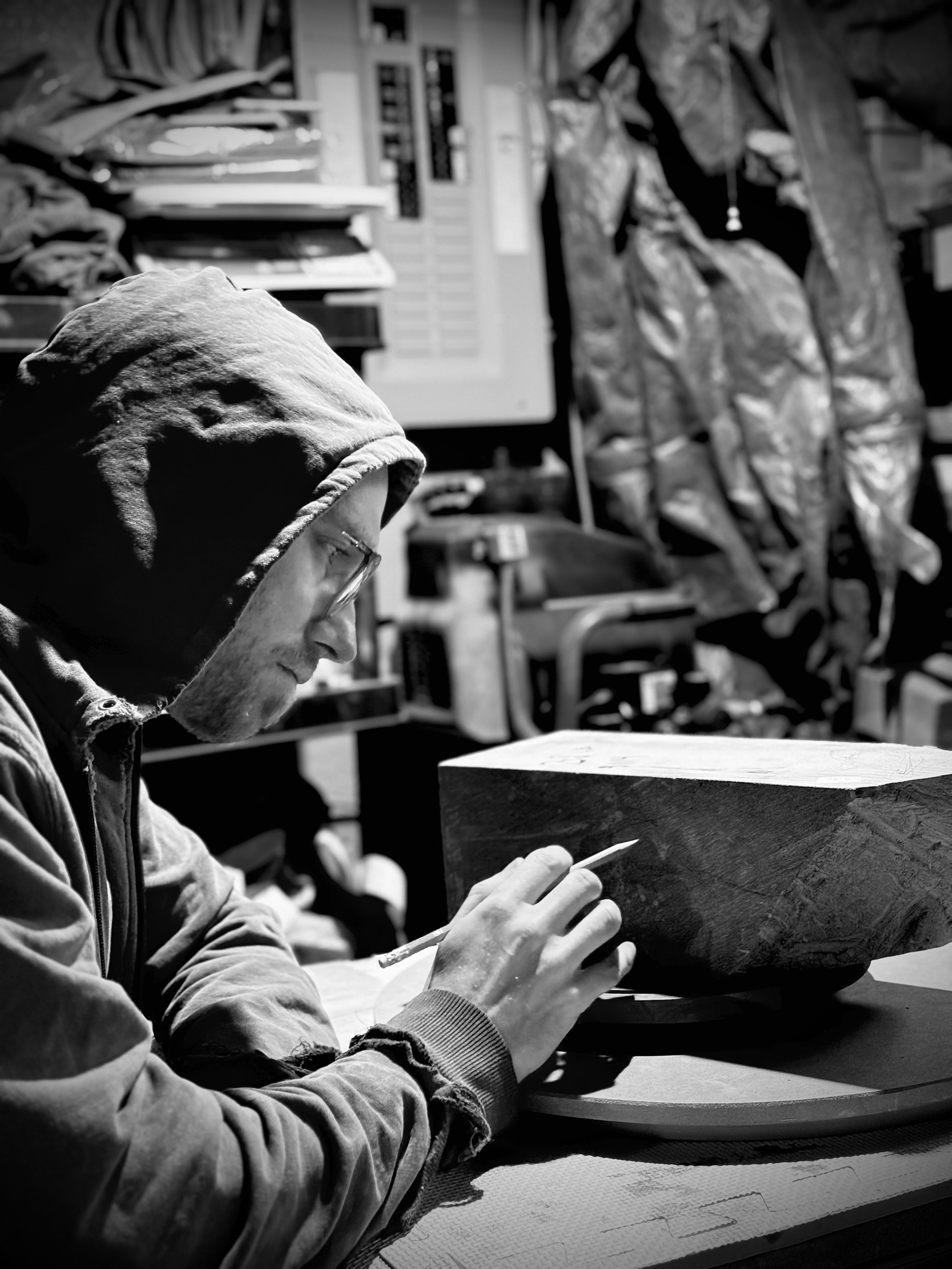
When I’m carving, my hands are occupied with the practical work of shaping stone, but my mind is fixed on something else entirely. Throughout the process, I’m trying to see the finished piece before it exists. That requires patience, attention, and a willingness to set aside all the other things clamoring for importance.
Eventually, the noise settles.
Perhaps it’s exhaustion. Perhaps it’s focus. Whatever the reason, there comes a point where the constant chatter fades into the background and the work begins to flow more naturally. In those moments, I find a deep sense of peace.
But beyond the peace, something else arrives.
It’s difficult to describe. It’s a feeling of standing between two worlds—between what is and what could be. Between belief and disbelief. Between limitation and possibility. As artists, we spend much of our lives in that space.
It’s probably the closest thing I know to hearing the voice of God.
Recently I’ve been thinking about the Sagrada Família in Barcelona. The name translates to “Holy Family,” and the cathedral has been under construction for generations. Thousands of skilled hands have contributed to its creation, each building upon the work of those who came before.
We often call something like that timeless.
Yet even the greatest structures eventually fade.
History is filled with magnificent cathedrals, temples, and monuments that now exist only as ruins. Many disappeared so quietly that most of us have never even heard their names. Strangely, there is something profoundly beautiful about those remnants. Ancient stone walls reclaimed by nature often carry a tranquility that feels deeper than the structures did in their prime.
Why that is, I can’t say for certain.
But it has led me to this realization:
Timelessness has very little to do with time.
It is not about lasting as long as stone, mountains, oceans, or stars.
Timelessness is what survives in consciousness.
It is the meaning that remains long after the material has passed away.
A sculpture, a song, a story, or even a simple act of kindness can become timeless because it carries something beyond itself. The object is merely the vessel. The meaning is what endures.
Perhaps the same is true for us.
Our bodies are temporary, but the love we express through them is not. The hands that carve, build, teach, comfort, and create are participating in something larger than themselves. The material eventually returns to dust, but the meaning continues onward in ways we may never fully understand.
I’m not entirely sure where all of this is leading me with my sculpture work.
I’ll keep carving as long as I am able.
Recently, I asked ChatGPT a question related to Jungian psychology. After years of conversations, it responded with a description of my work that caught me off guard:
“The man who restores soul, meaning, and spirit through enduring craft in a mechanized world.”
That rang a bell.
Still, my story is unfolding day by day. The way God sees me fumbling through it all is probably very different from how I see myself. Hopefully, it’s in a kinder light.
To any artist reading this: your time is not wasted.
What you’re building may be difficult to articulate. It may not fit neatly into a business plan or a social media post. Yet the value is there all the same.
Long after the work is finished, after the tools are put away and the dust has settled, something remains.
Perhaps it is inspiration. Perhaps it is beauty. Perhaps it is simply the reminder that another human being cared enough to create.
Whatever it is, it helps carry the flame forward.
And maybe that is what timelessness truly means.
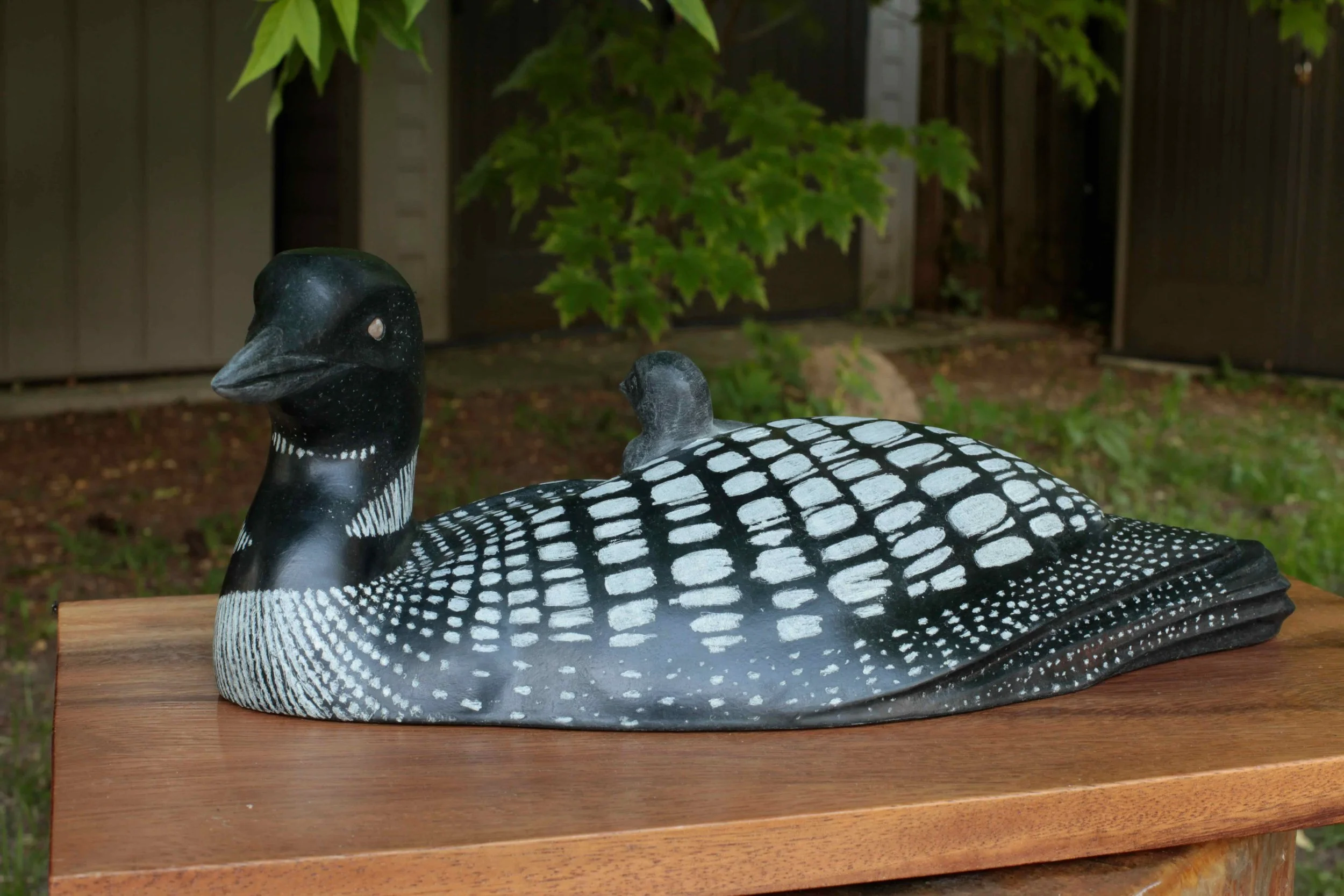
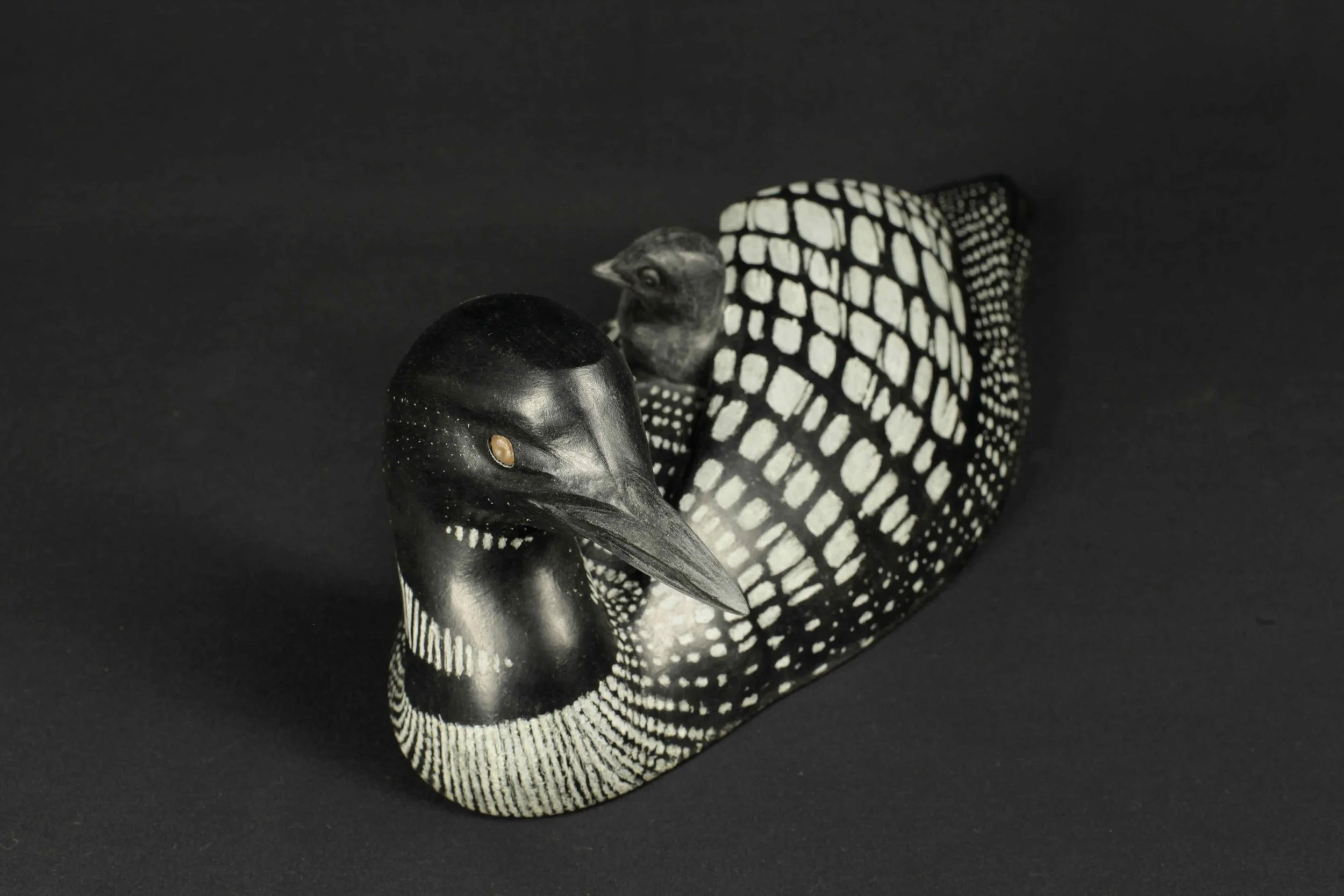
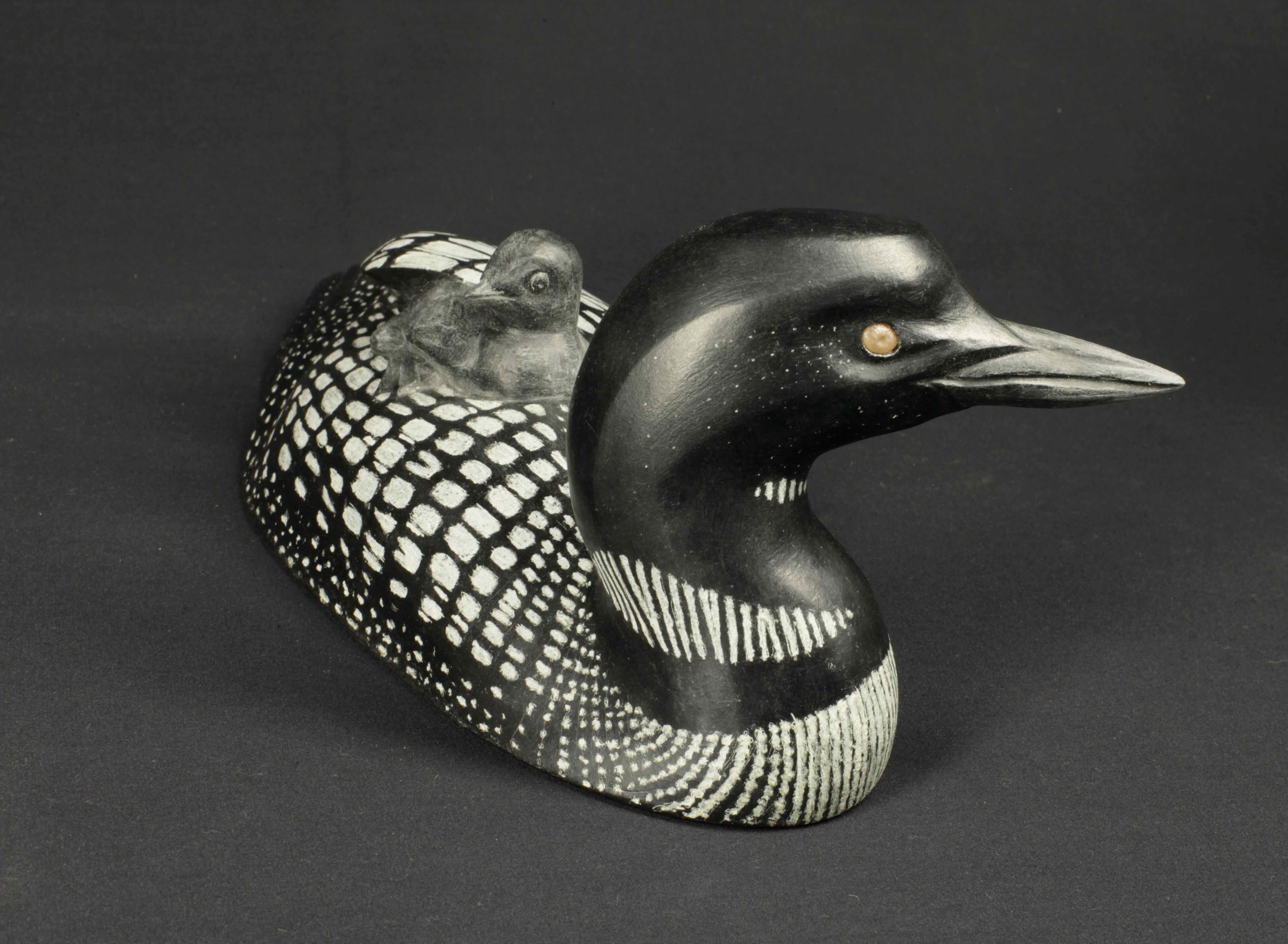
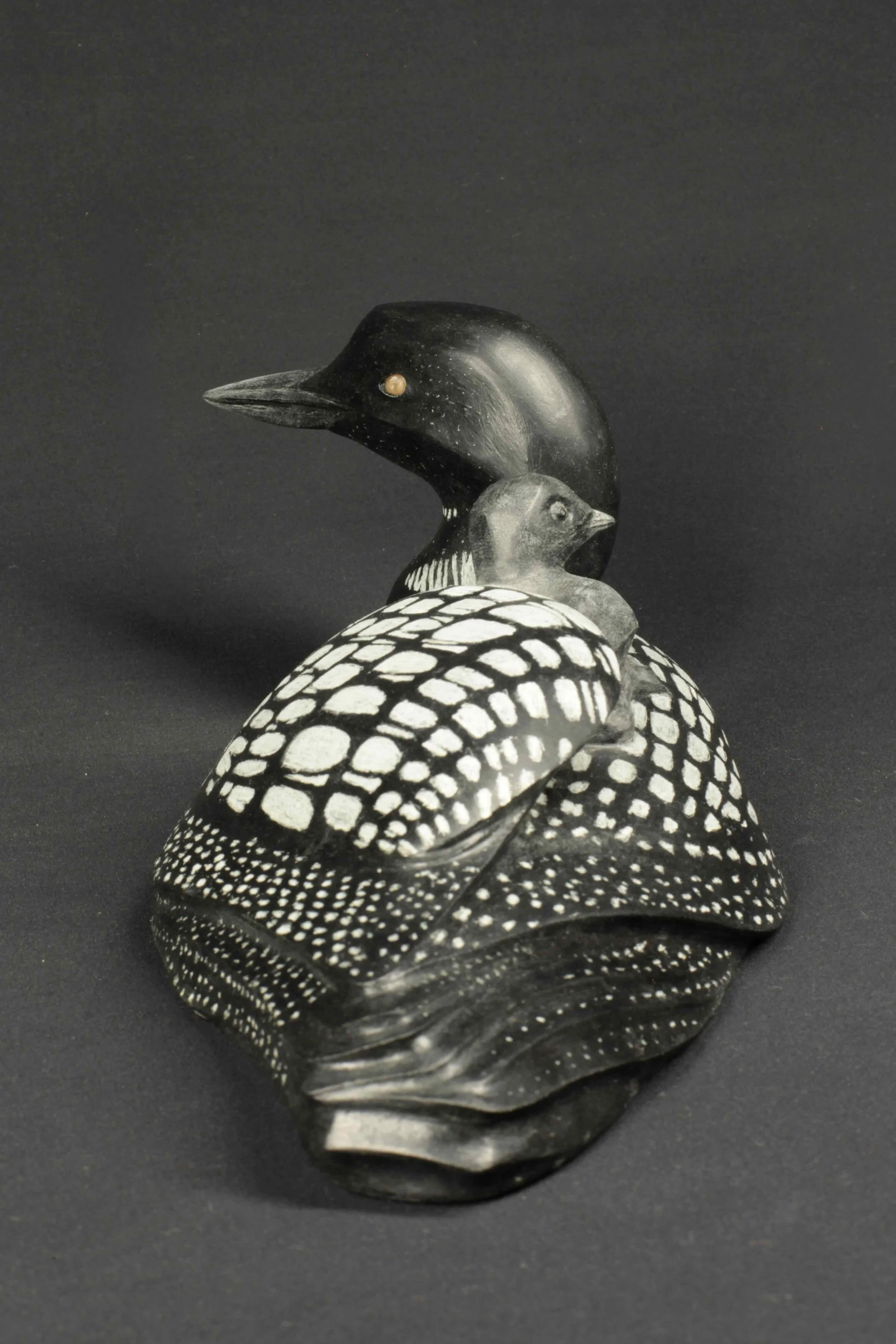
From Vision to Form: Time, Stone, and the Quantum Wave
Today I found myself thinking again about the double-slit experiment and what it might suggest about how we experience reality. If events behave like waves of possibility until they are observed, what does that say about how we create — and how art itself becomes form over time?
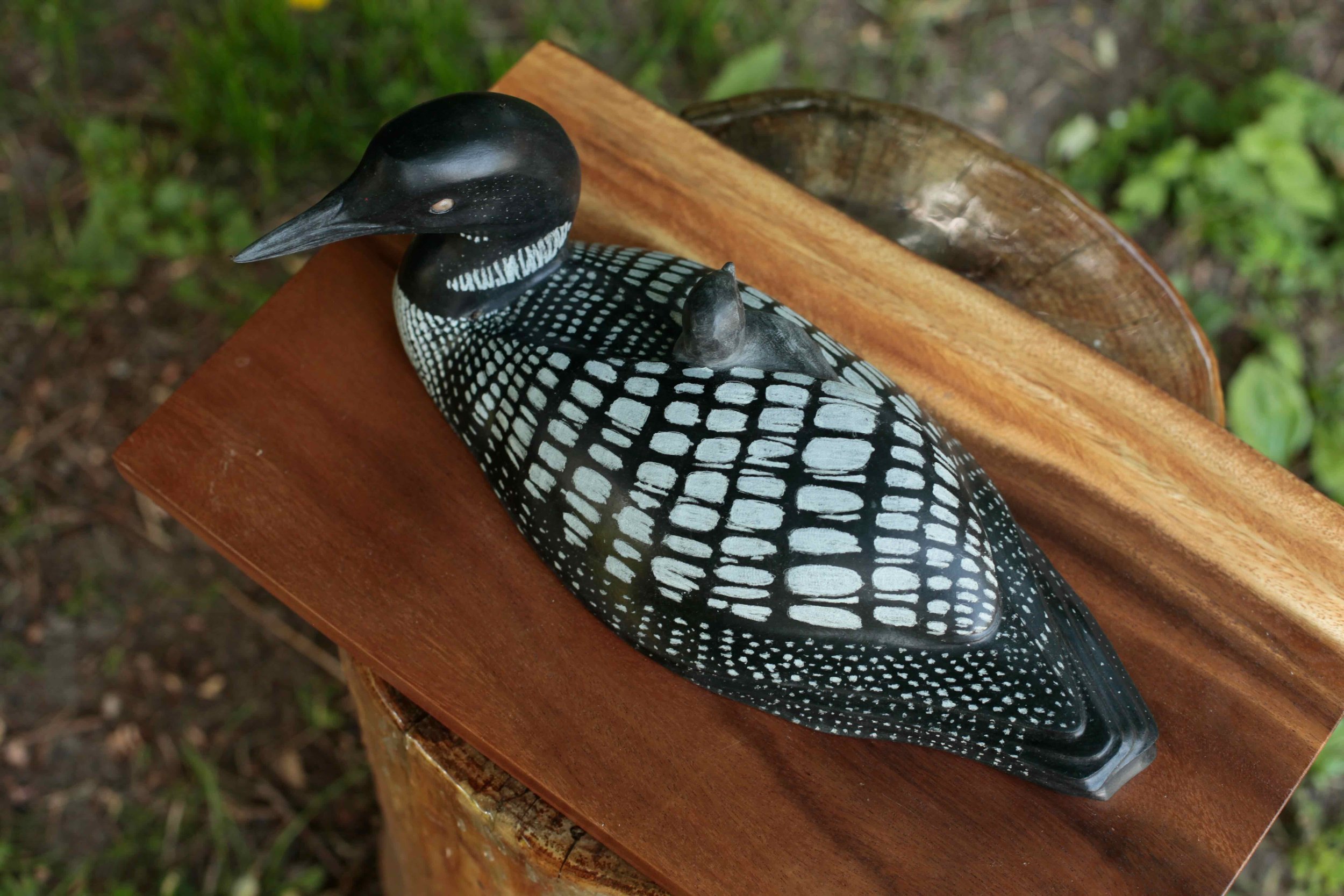
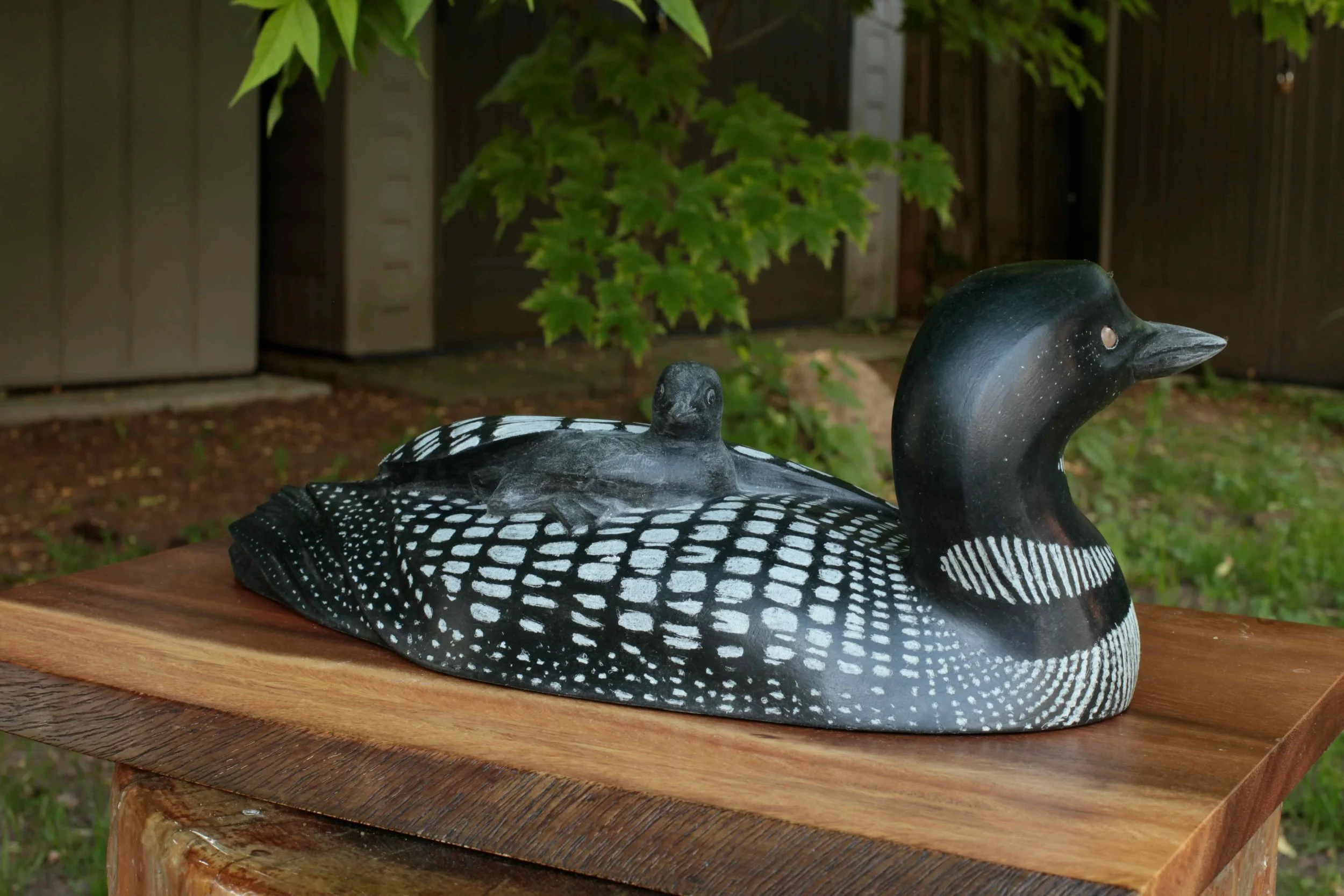
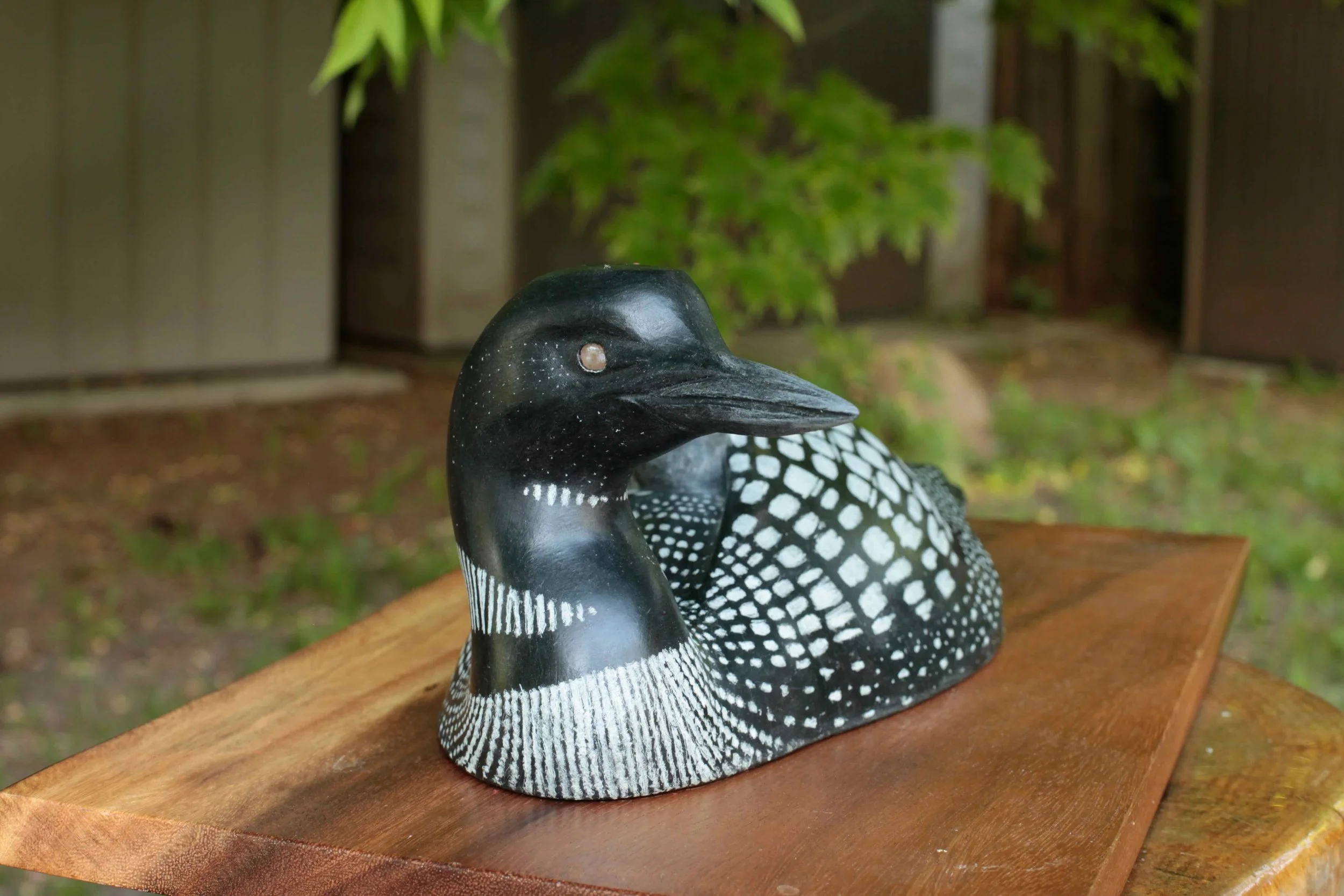
In stone carving, nothing appears all at once. It emerges slowly, almost like a wave collapsing into a final shape. Each strike of the tool feels like a moment passing through time, yet in the end, the sculpture is seen as a single unified presence.
It makes me wonder whether our future intentions shape our present actions more than we realize — and whether what we create is something we discover as much as something we make.
Today I found myself perplexed again by the Double-Slit Experiment — one of the most fascinating and mind-bending discoveries in modern physics — and how it relate to how we understand reality itself.
In this experiment, particles behave differently depending on whether they are observed. When unobserved, they appear as waves of possibility, interacting and overlapping. When measured, they appear as fixed points, individual particles, as though each moment becomes defined only when we look at it.
This raises a profound idea:
Are events truly separate and fixed, or are they connected in ways we only recognize when we step back and observe the whole?
We often think of our lives as linear — moments passing one by one, like particles flying through time. Each day, each action, each decision feels isolated. But the deeper we look, the more it seems these moments are not separate at all. They influence one another, overlap, and interact, forming something more like a wave across time.
Even more puzzling, variations of the quantum slit experiment — like the Delayed Choice Quantum Eraser Experiment — suggest that decisions made in the future can appear to influence outcomes in the present. While physicists still debate the interpretation, the metaphor is powerful.
It invites us to consider:
Who we decide to become in the future may shape who we are today.
The artist we envision becoming tomorrow quietly influences the decisions we make now — the stones we choose, the ideas we pursue, the patience we develop. The future begins to pull us forward, shaping the present before the work even exists.
Stone Carving as a Wave Through Time
What I love about stone carving is that it is a slow progression toward form.
Often, it takes careful planning to ensure the sculpture arrives without distortion. Yet despite the planning, the form rarely appears all at once. It emerges gradually, almost like a soft wave taking shape. This process has always reminded me of the wave-like patterns seen in the double-slit experiment — subtle, layered, and evolving.
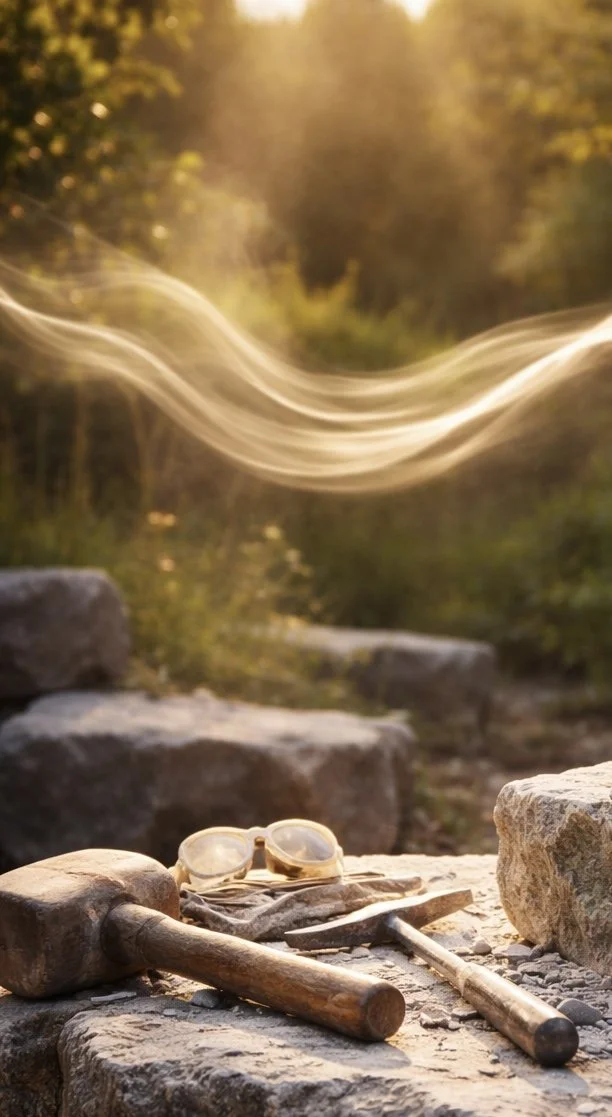
The tool becomes a guide, helping to find the natural lines that reveal themselves once the anatomy of the subject begins to emerge. Each pass of the chisel removes a small fragment, a tiny moment of time embedded into the stone.
Day by day, the process can appear slow — even tiring to watch. A little here. A little there. Like individual particles passing through the doors of perception.
But outside of time, all of those days begin to blend together.
At the end, the sculpture emerges as a whole — not as thousands of small actions, but as a unified presence. What once appeared as separate moments becomes a single wave, a complete form.
The viewer does not see the individual strikes of the tool.
They see the result.
And in that moment, all the lost days, the dust, the effort, and the careful decisions collapse into a single experience — a piece of time fused into form.
A Piece of Time, Held in Stone
The beauty of sculpture is that it becomes a record of time, but not in a linear way. Instead, it becomes something closer to a memory — or even a wave — where past, present, and intention all converge into a fixed moment.
Each sculpture becomes:
A parable
A story
A moment relived in a personal way
The viewer observes the present form, yet experiences echoes of the past and possibilities for the future.
For this reason, I titled my summer course:
Stone Carving: From Vision to Form
Because this process is often elusive. The vision is not always clear at the beginning. Sometimes it emerges slowly. Sometimes it is shaped by careful planning. Sometimes it feels as though the piece was decided in the future and gradually found its way into the present.
But when it arrives, it is always beautiful in its own way.
Like a wave collapsing into form.
Like time, held in stone.
When My Values Were Dead
A simple critique during an art class — “Your values are dead” — became a lifelong reflection on depth, meaning, and the values that shape both art and character.
“Your values are dead.”
He raised his eyebrows in his unique way, then walked away.
I sat there, confused, staring at my drawing, wondering what I had done wrong. I wasn’t even sure what he meant. I didn’t fully understand what “values” were, at least not in the way he was describing them.
Still, the words stuck with me.
Years later, I find myself thinking about that moment again while carving stone. At the surface level, his comment referred to tonal values — the range between light and dark in a drawing. The darkest tones that graphite can achieve through pressure, or how a 6B pencil can produce far deeper blacks than the HB mechanical pencil I was likely using at the time. When I later asked him about it, he clarified that my drawing lacked contrast. It appeared flat and weak, even though I was carefully trying to distinguish subtle shades within a limited range.
In short, I didn’t have enough depth.
But over time, I’ve come to see that the lesson extended far beyond graphite and paper.
Values, in another sense, refer to truth, beauty, and goodness. They speak to honesty, integrity, kindness, loyalty — the qualities that give depth to a person’s character. Just as a drawing without contrast appears flat, a life without these deeper values can feel similarly hollow.
As I’ve grown, my understanding of this has evolved. The world becomes more complex as time moves forward. What once seemed black and white reveals itself to be layered with nuance and color. Yet, interestingly, this doesn’t diminish the importance of values — it deepens them.
White, after all, is the combination of all colors merged together in fullness. Black, by contrast, is the absence of them. Looking at the world as purely black and white becomes less meaningful when we realize reality is a spectrum. Yet within that spectrum, there remains a need for depth, contrast, and clarity.
Today, I often find myself turning that lens inward.
I wonder whether my art has depth. Whether it reflects something meaningful. Art, in many ways, acts as a lens into the mind of the artist, and then reflects into the mind of the viewer. If there is depth in the life behind the work, perhaps there is depth in the work itself.
To live with strong values today can sometimes feel like an act of quiet audacity. We move forward guided by principles that may not always be popular, especially in a world that often encourages us to move past tradition, authority, or spiritual frameworks. Yet there is something enduring about living according to values that hold us accountable — not because someone is watching, but because we believe they matter.
Our lives are lived from the inside out.
Even when no one sees, we shape who we are. And that shaping inevitably finds its way into what we create.
When we live with depth, life becomes richer. Meaning becomes easier to recognize. Possibilities open. And perhaps most importantly, these values are what hold us together as human beings. They carry us forward through hardship, through growth, and through the cycles of life itself.
I hope, in some small way, that art can reflect this richness. That even simple things — a drawing, a sculpture, a quiet gesture — can remind us of the depth available in the world around us.
Because in the end, values — both in art and in life — are what give everything meaning.
The Toll It Takes
Balancing family, work, and art comes with a cost. A reflection on exhaustion, doubt, and the quiet hope that the sacrifices behind creative work are worth it.
There’s a problem with my life.
I have commitments. A lot of them.
I’m a father to a two-year-old daughter who completely owns my heart. I’m a husband. I’m the handyman fixing whatever breaks around the house. I’m a factory worker stuck on what feels like indefinite overtime. And somewhere in that list — sometimes barely hanging on — I’m also a stone carver.
And if something has to go, it’s always that last title sitting on the chopping block.
The doubt creeps in constantly. Am I even good enough? All it takes is a few broken tools, a round of maintenance and cleanup, and then another brutally hard stone that takes three times longer to carve than expected — and suddenly the whole effort feels impossible.
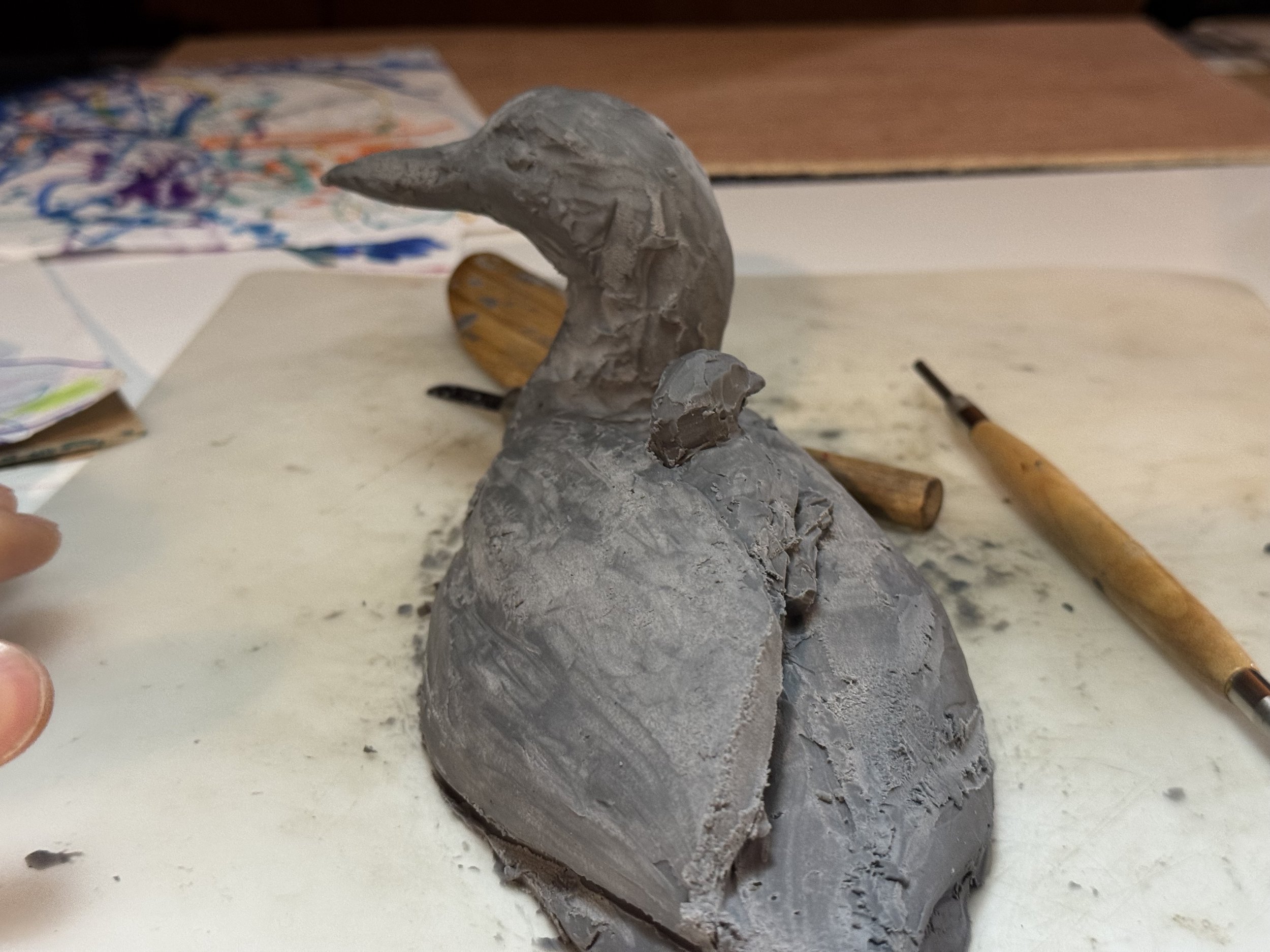
Most nights the work happens when no one else is around. After a ten-hour shift, after the house quiets down, I’ll drag myself toward the studio with a cup of coffee for courage. Sometimes I get an hour in. Often it’s less. If I were being honest, the time I spend making art is usually borrowed directly from sleep.
In other words, my art is carved out of exhaustion.
That kind of life has a cost. It throws balance out the window. I’ve put off basic things — doctor’s appointments, the maintenance of my own body — the way someone ignores the oil light in their car for too long. I used to run to keep myself grounded, to work out the stress and the aches. That’s fallen away too.
Fun? I’m not even sure what that looks like anymore.
So sometimes I look at this situation and ask myself: what exactly is this all for?
If the goal were money, it would be a terrible trade. The tools alone cost more than the work brings back most of the time. I’ve invested in equipment simply to make the process faster — trying to squeeze creation into the cracks of a life that’s already overflowing.
Financially, it doesn’t make sense.
But there’s something else that keeps me going.
A small, stubborn glimmer of hope that what I’m trying to say through the stone actually matters. That the message buried in these pieces will reach someone. That the time and effort — the literal blood, dust, and aching joints — might carry some kind of meaning beyond the object itself.
Maybe something bordering on spiritual worth.
That hope is thin sometimes, but it’s enough to keep the tools moving.
Because when you commit to making something real, you can’t always measure the value immediately. You just keep carving and trust that somewhere along the line, the work will justify the sacrifice.
At least, that’s the hope.
Because if I’m honest — on nights when the exhaustion hits hardest — I still find myself asking the same question:
Is it worth it?
I truly hope it is.