Before a Sculpture Begins
We’ve all heard that a picture is worth a thousand words, and when it comes to finding inspiration for a sculpture, I don’t think that can be understated.
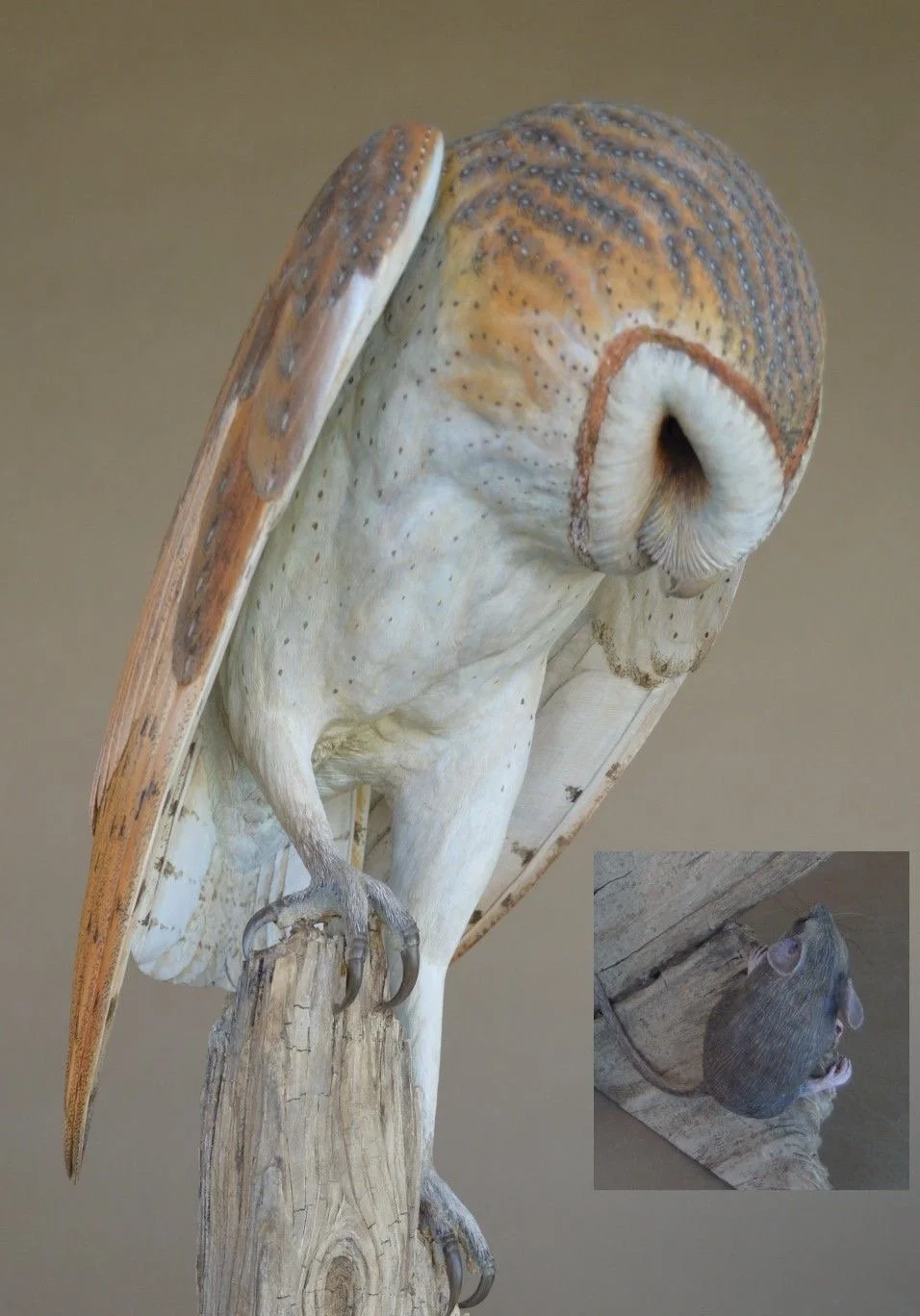
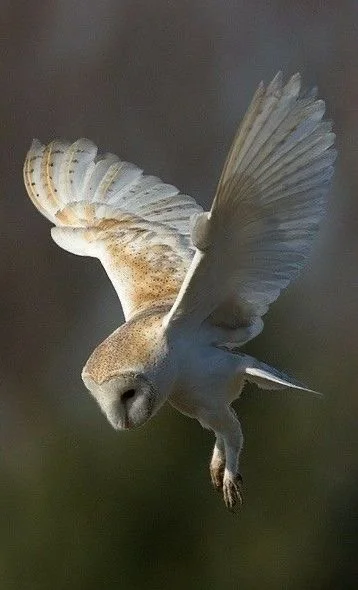
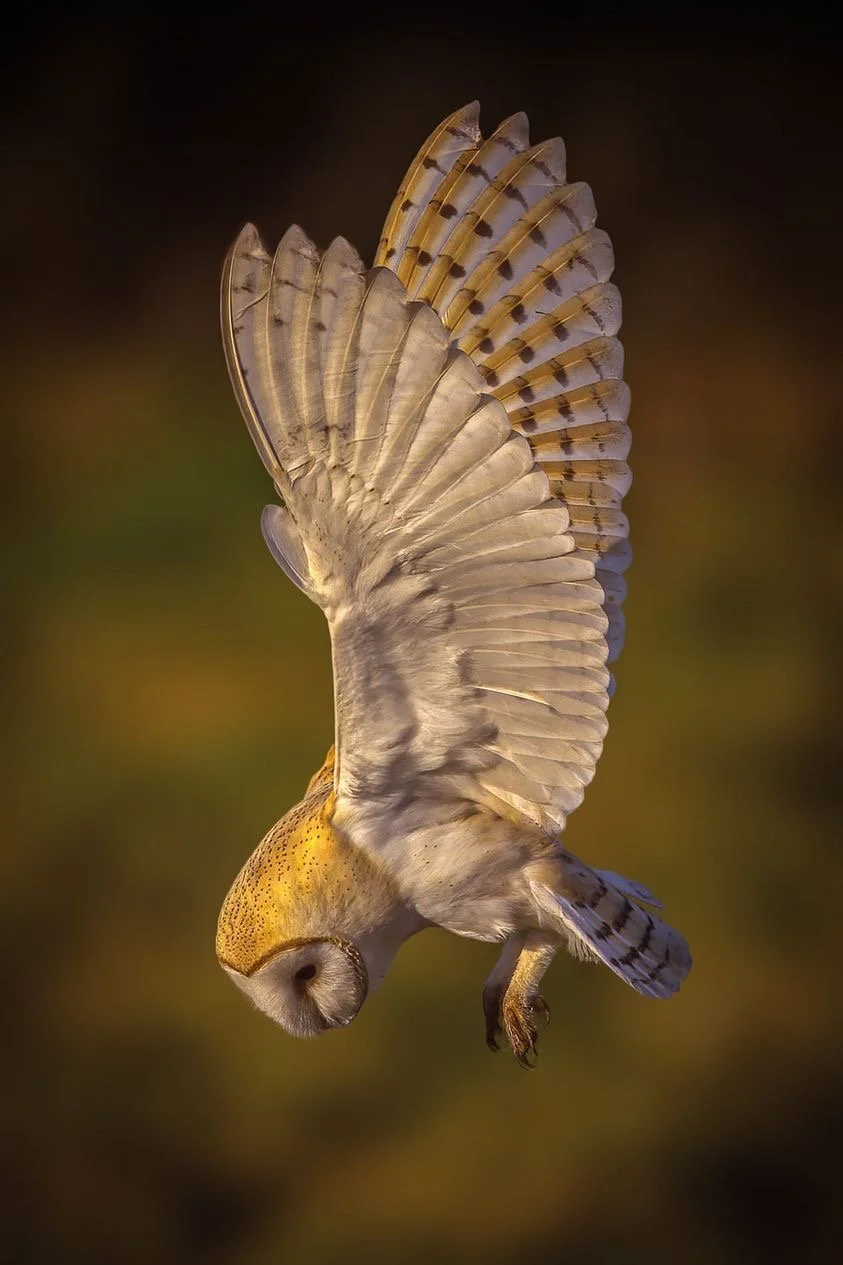
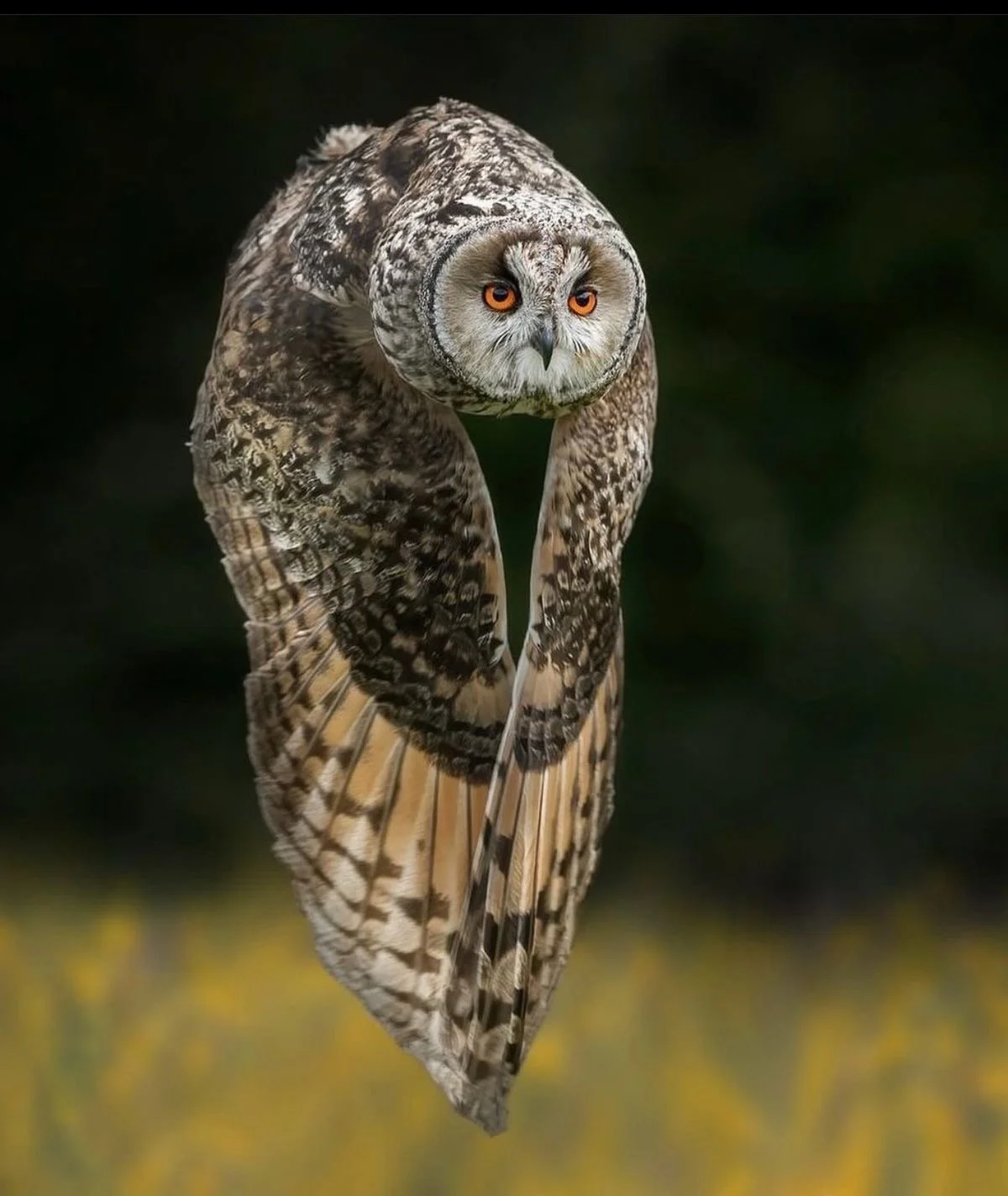
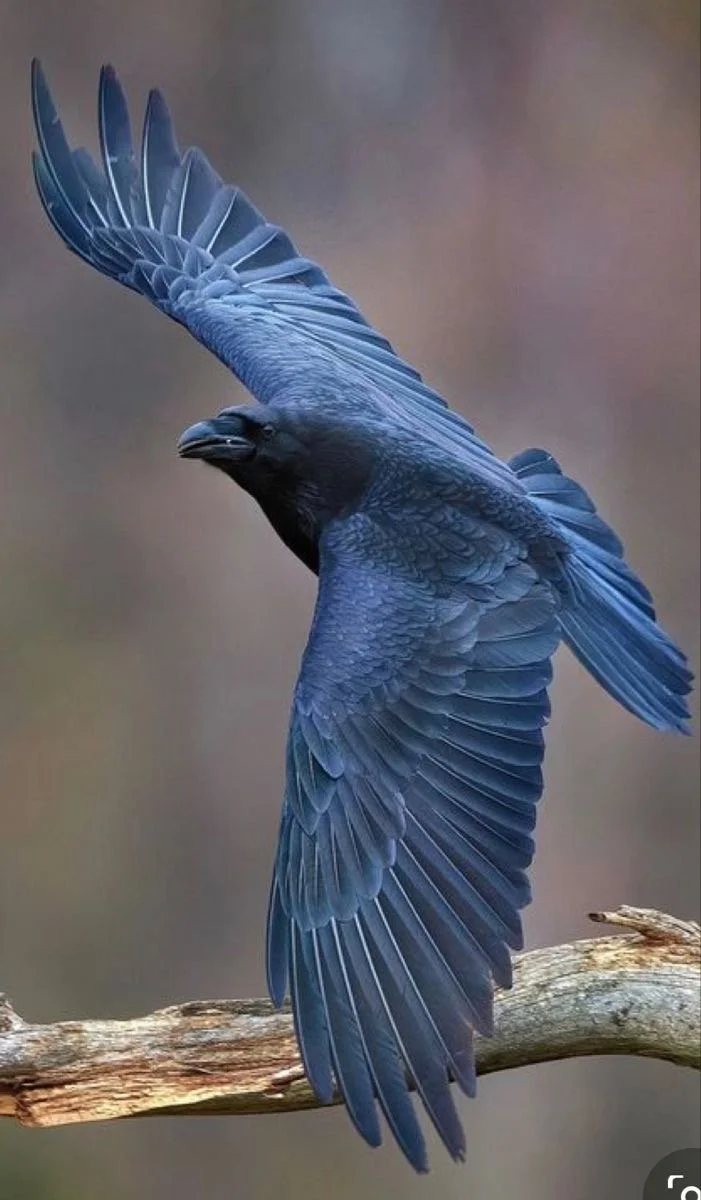
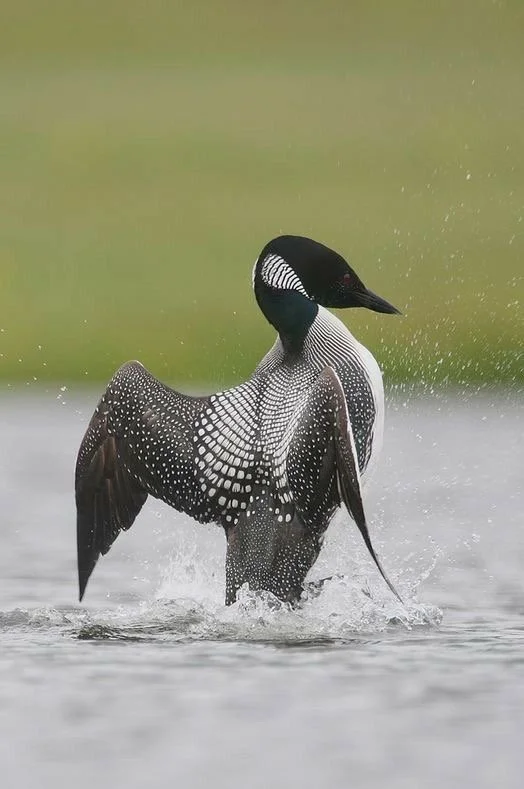
Whenever I can see the end of an existing work somewhere on the horizon, my thoughts are already beginning to wander toward the next one. Ideas that have been quietly brewing in the background begin pushing their way forward—sometimes sparked by an animal, a posture, a photograph, or simply a shape that seems to carry a certain feeling.
Of course, imagining a sculpture and actually making it are two very different things.
Most ideas immediately bring with them a collection of technical questions. How can this particular form be translated into stone? Where are the weak points? How will it be mounted? What kind of base belongs beneath it? What finish will bring the stone to life? Should the colour remain natural, or would subtle tones help carry the idea further?
These thoughts tend to occupy my mind constantly. There are long stretches in my everyday work where my hands can continue almost automatically while my mind is free to wander, and sculpture has a habit of filling that empty space. Problems are turned around, abandoned, revisited and occasionally solved long before I ever put a tool to stone.
As some of you may know, I’m currently working on a fairly large blue heron sculpture. It still has miles to go, and I’ll share proper photographs when it finally reaches that point. But while that piece continues its slow journey toward completion, my attention has already been caught by several photographs of birds in wonderfully dynamic postures.
What interests me most about them is also what makes them difficult.
Wings, legs and extended feathers can create beautiful lines, but they also produce extremely thin and vulnerable sections. In stone, those graceful shapes quickly become structural problems. In previous sculptures I’ve sometimes been able to work around this by subtly bridging wing tips or feathers together, allowing the stone to support itself without sacrificing too much of the movement I was trying to capture.
But some ideas simply resist being forced into stone.
And that has led me toward a slightly different experiment.
I’ve been considering building a sculpture around a wire armature mounted to a base, then developing the form using epoxy putty and experimenting with mineral-filled surface finishes. I have no certainty yet about where that experiment will lead—which, admittedly, is part of what makes it interesting.
Epoxy putty itself isn’t entirely unfamiliar territory for me. Over the last couple of years I’ve used it quite extensively around the leg armatures of several owl sculptures and a raven piece. It has allowed me to create a much more seamless transition between stone, steel and the wooden base, particularly when combined with careful shaping and colour matching.
Taking that material from a supporting role and allowing it to become the primary sculpting medium would be a much larger step.
It would also open possibilities that stone naturally resists: thinner forms, extended wings, more dramatic negative spaces and postures that might otherwise be too fragile to attempt. Stone will always remain at the heart of what I do, but there is something exciting about occasionally stepping outside the familiar boundaries of a material and seeing what another process might make possible.
Perhaps the experiment will succeed. Perhaps it will send me straight back to stone with a renewed appreciation for it.
Either outcome has value.
For what it is, I hope this offers a small glimpse into the part of sculpture that happens before a sculpture really exists—the accumulation of photographs, shapes, technical problems, half-formed ideas and quiet experiments that eventually begin to converge.
A finished work may appear to begin with the first cut of a chisel.
More often, its genesis started somewhere much earlier, while the hands were busy and the mind was wandering.